21 Days of Thinking Differently: What Neuroplasticity Teaches Us About Changing Your Life
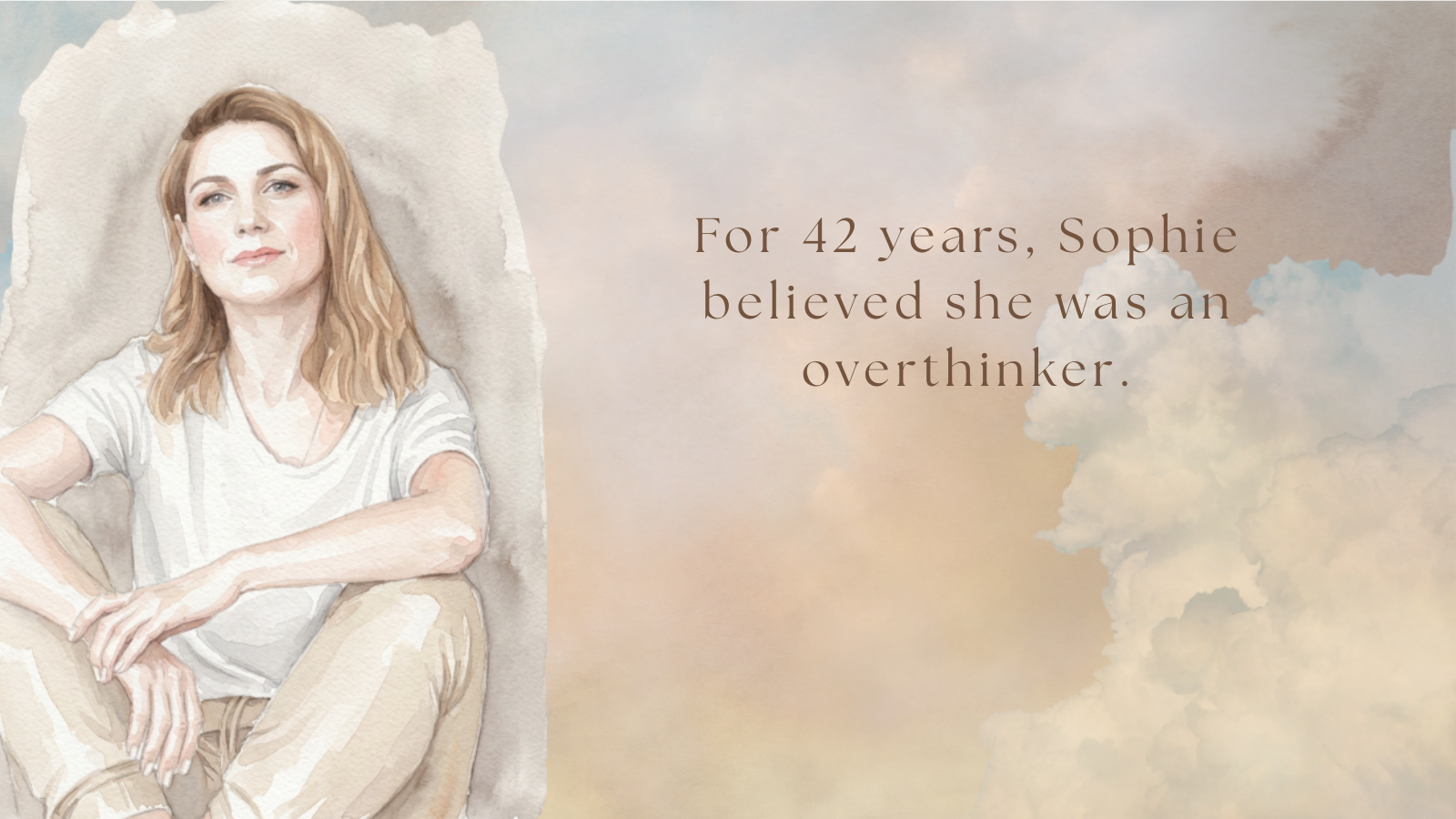
She didn't say:
“Sometimes I overthink.”
She said:
“I am an overthinker.”
Three simple words.
But think about the difference.
One describes something she sometimes does.
The other describes who she believes herself to be.
Sophie was intelligent, warm, capable and successful. If you met her, you probably wouldn't immediately think of her as someone who lacked confidence.
Yet inside her own mind, an entirely different conversation was taking place.
After a social gathering, she'd replay conversations in her head.

When an opportunity appeared at work, Sophie's mind could immediately produce ten reasons why she might not be ready.
If someone didn't respond to a message, she filled in the silence herself.
And if nine people said something lovely about her and one person made an offhand comment,
Guess which conversation she remembered while lying in bed that night?
Sophie had repeated these patterns for so long that they felt like her personality.
But what if they weren't?
What if some of the thoughts we describe as “just the way I am” are actually patterns the brain has become exceptionally well practised at producing?
And perhaps the more fascinating question is:
What happens when we deliberately begin practising something different?
Your Brain Is Not Set in Stone
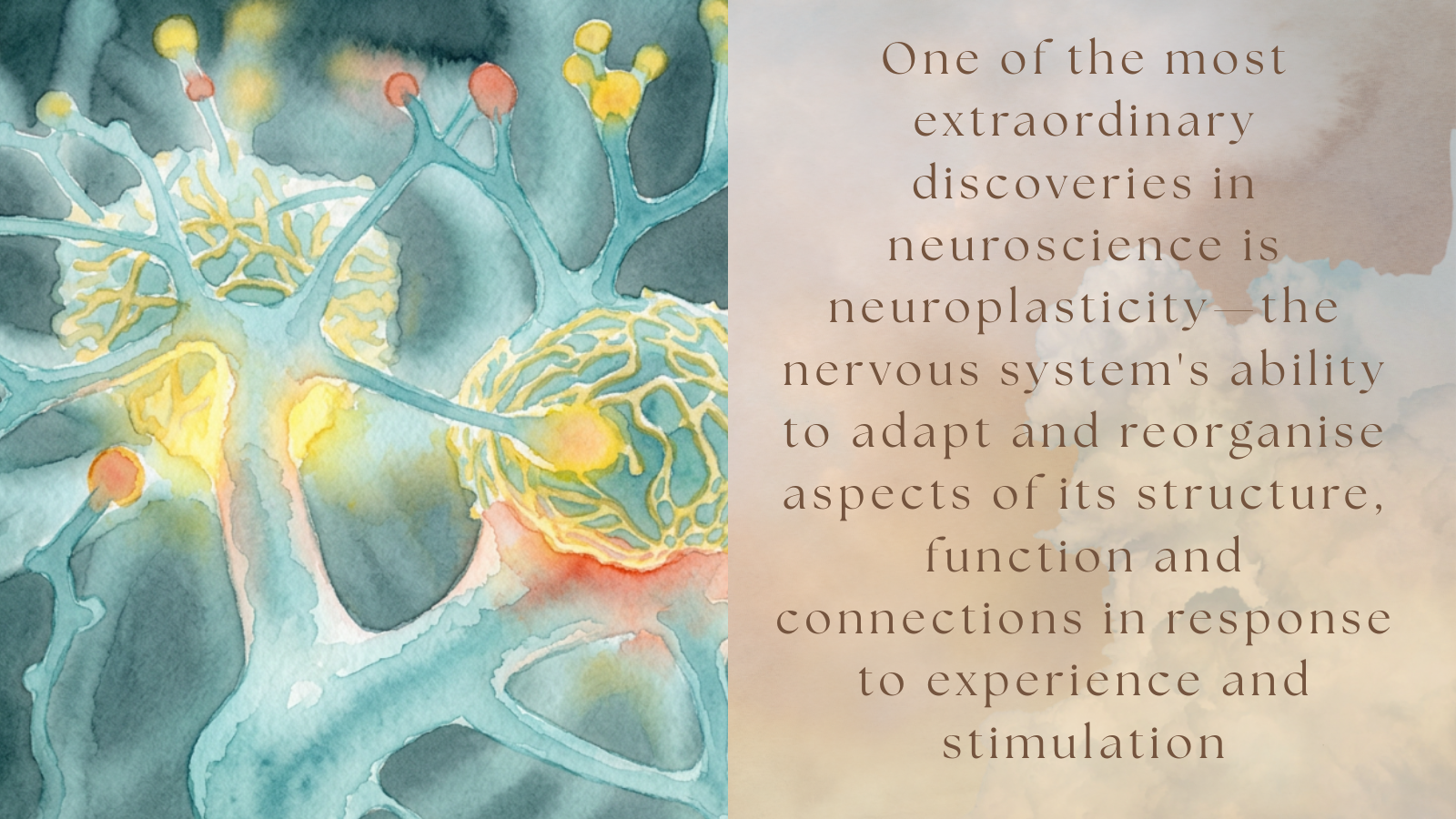
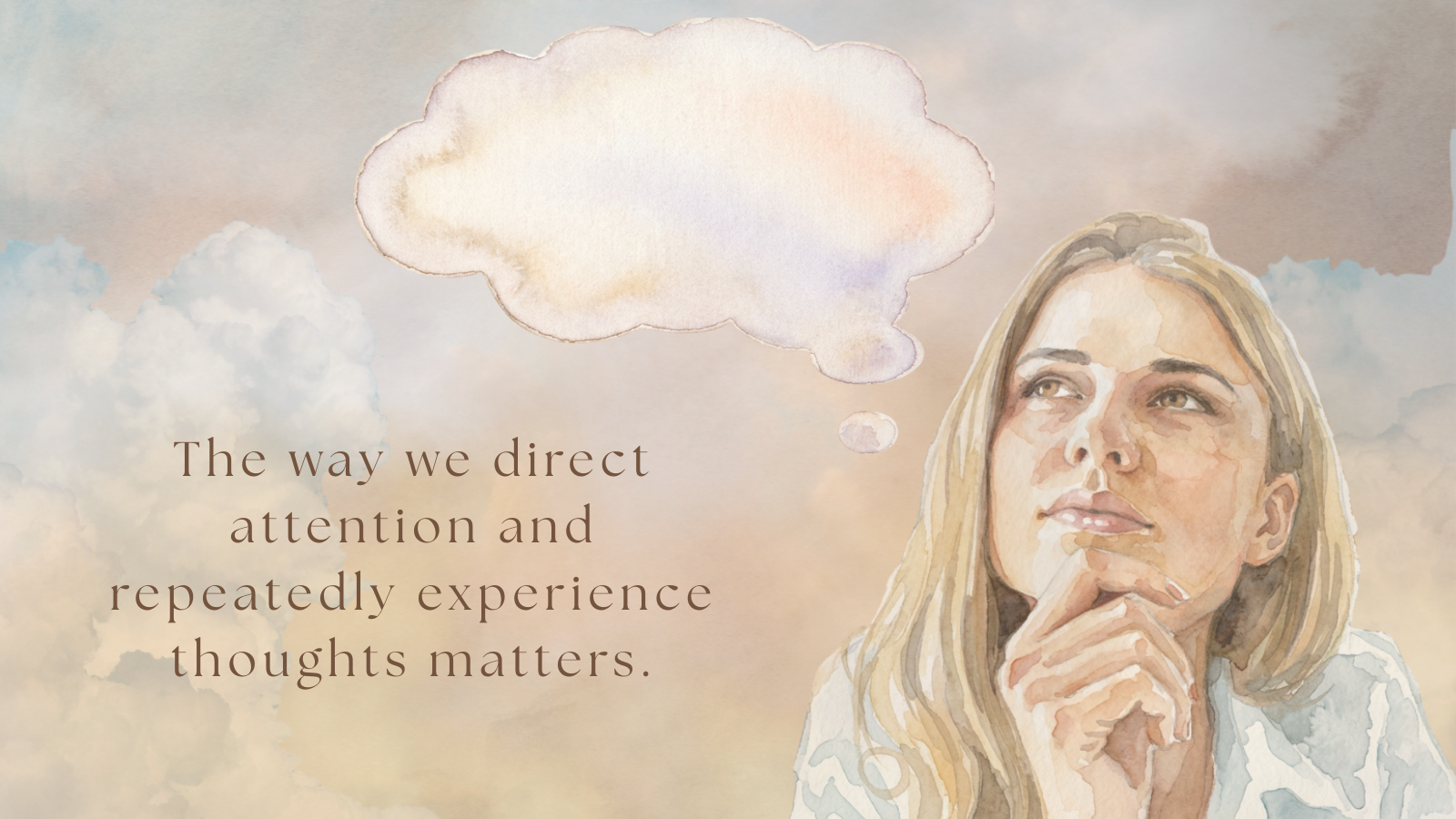
In other words, your brain is continually responding to experience.
Learning matters.
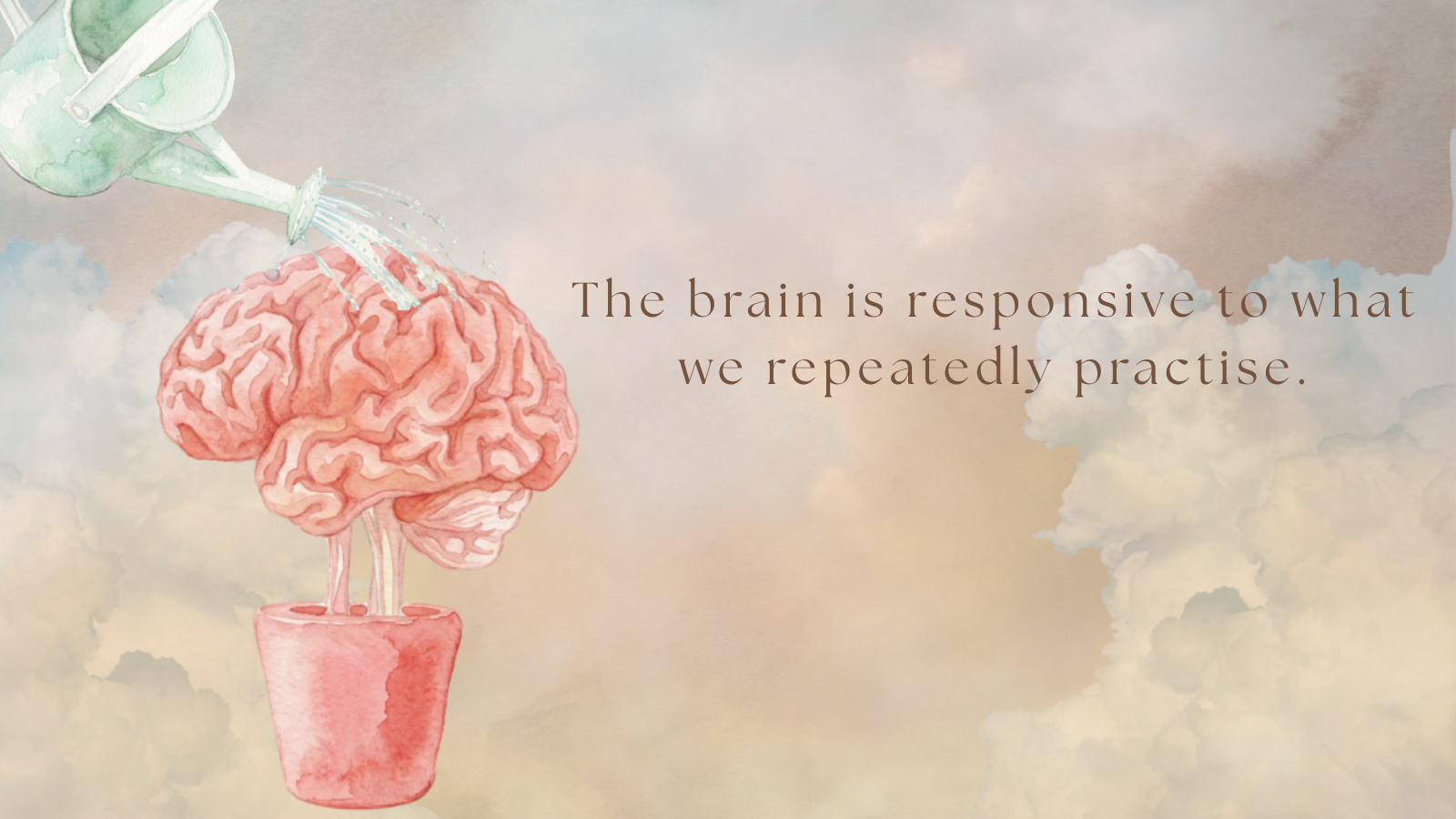
Practice matters.
Attention matters.
Repetition matters.
We see evidence of neuroplasticity across many areas, from learning physical skills and rehabilitation to psychological therapies and other forms of repeated mental training. Research investigating psychotherapy, for example, has identified treatment-associated changes in brain function and, in some studies, brain structure.
This doesn't mean that simply thinking a thought once magically changes the brain.
It means something far more interesting.
Which brings us back to Sophie.
What Happens When You Give Your Mind a New Story?
Sophie decided to try something different.
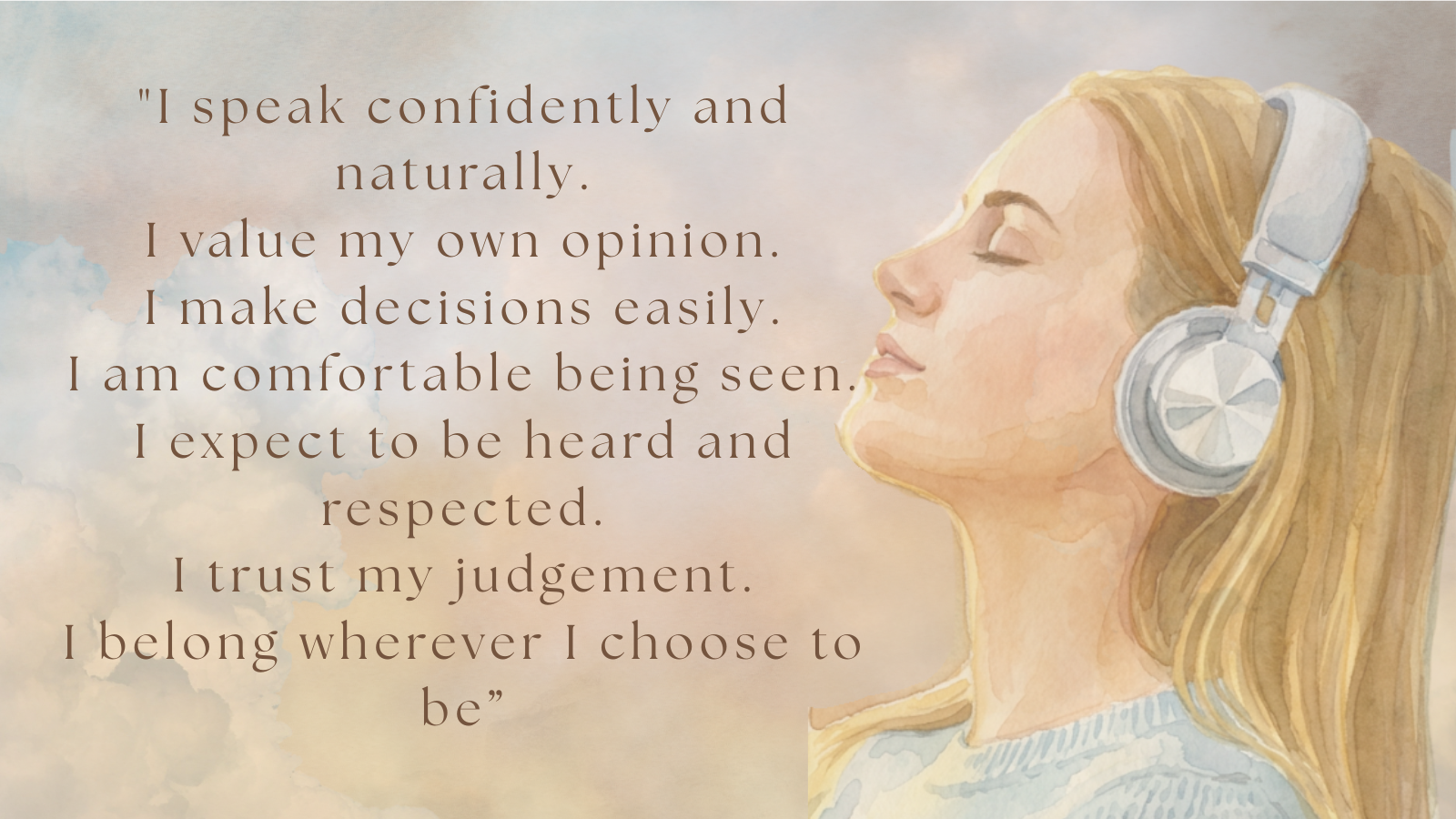
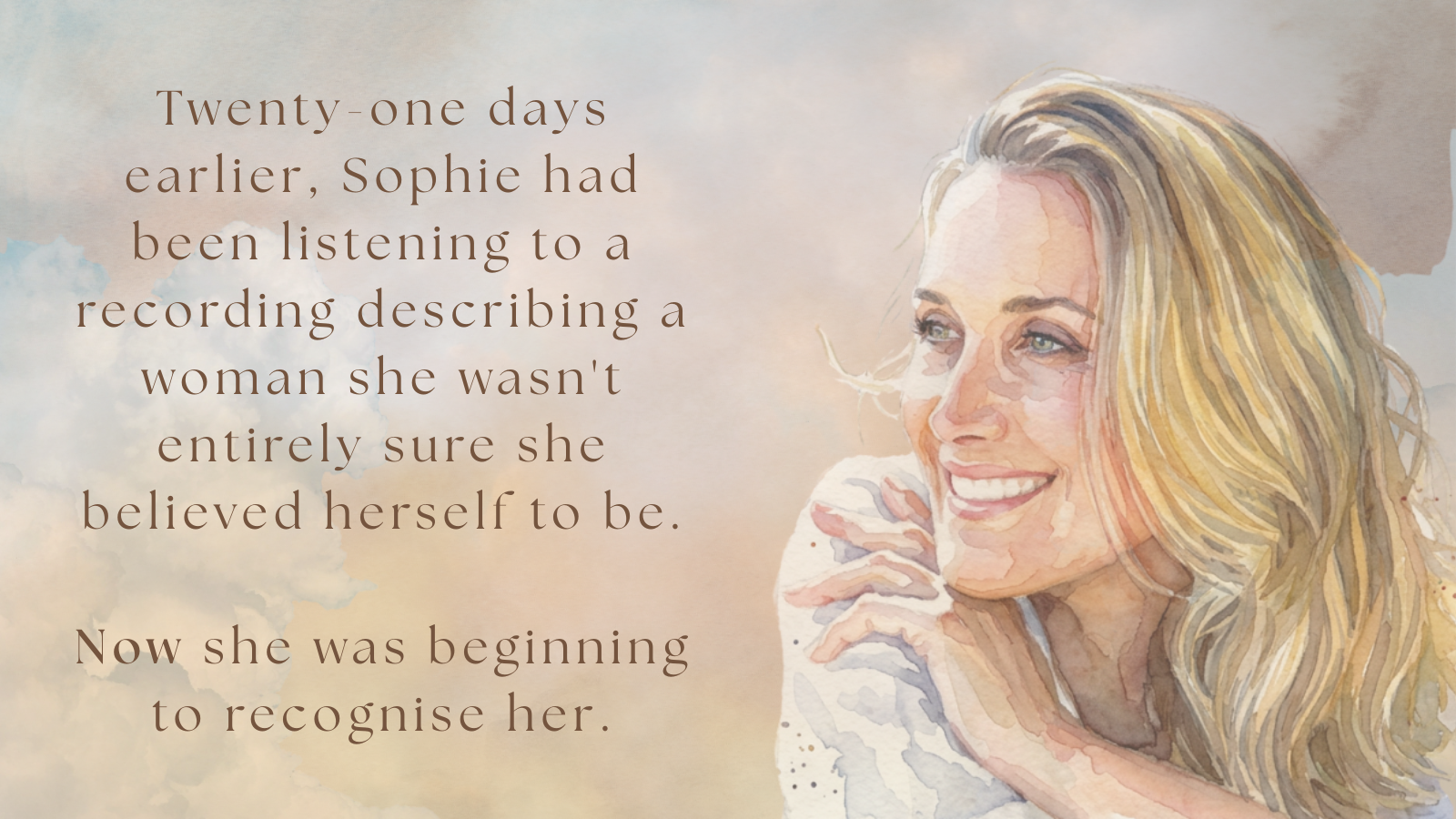
Every evening for 21 days, she listened to a personalised hypnotherapy recording.
The recording wasn't filled with vague statements about everything being wonderful.
The words were specific to the woman she wanted to become:
At first, some of those statements felt unfamiliar.
On Day 1, Sophie listened and thought:
That doesn't really feel like me.
And this is where things become interesting.
Familiarity is powerful.
If you have spent years thinking one way about yourself, that story has had enormous amounts of rehearsal.
So a different story may initially feel strange—not necessarily because it is untrue, but because it is unfamiliar.
Sophie kept listening.
Not trying desperately to force herself to change.
Simply giving her mind another pattern to hear.
Another possibility to consider.
Another version of herself to rehearse.
Day 5: She Catches the Thought
A few days later, something small happened at work.
Sophie walked away from a conversation and immediately began analysing it.

That might not sound transformational.
But I think moments like this are hugely important.
Because instead of automatically disappearing into the thought, Sophie had begun to notice the thought.
She had created a tiny space between:
“I think this”
and
“This must therefore be true.”
That space gives us choice.
Perhaps meaningful change doesn't always begin when every thought suddenly becomes positive.
Sometimes it begins with simply realising:
A thought is something my mind produced. I get to decide what I do with it next.
Day 9: A Different Decision
On Day 9, Sophie received an invitation.
Normally, her mind would begin immediately:
Who will be there?
What will everyone be wearing?
What if I feel awkward?
Maybe I shouldn't go.
This time she caught herself before the familiar mental committee had finished its meeting.
She typed:
“I'd love to.”
And pressed send.
Tiny moment.
Different decision.
But this is where changing our internal world can start affecting our external one.
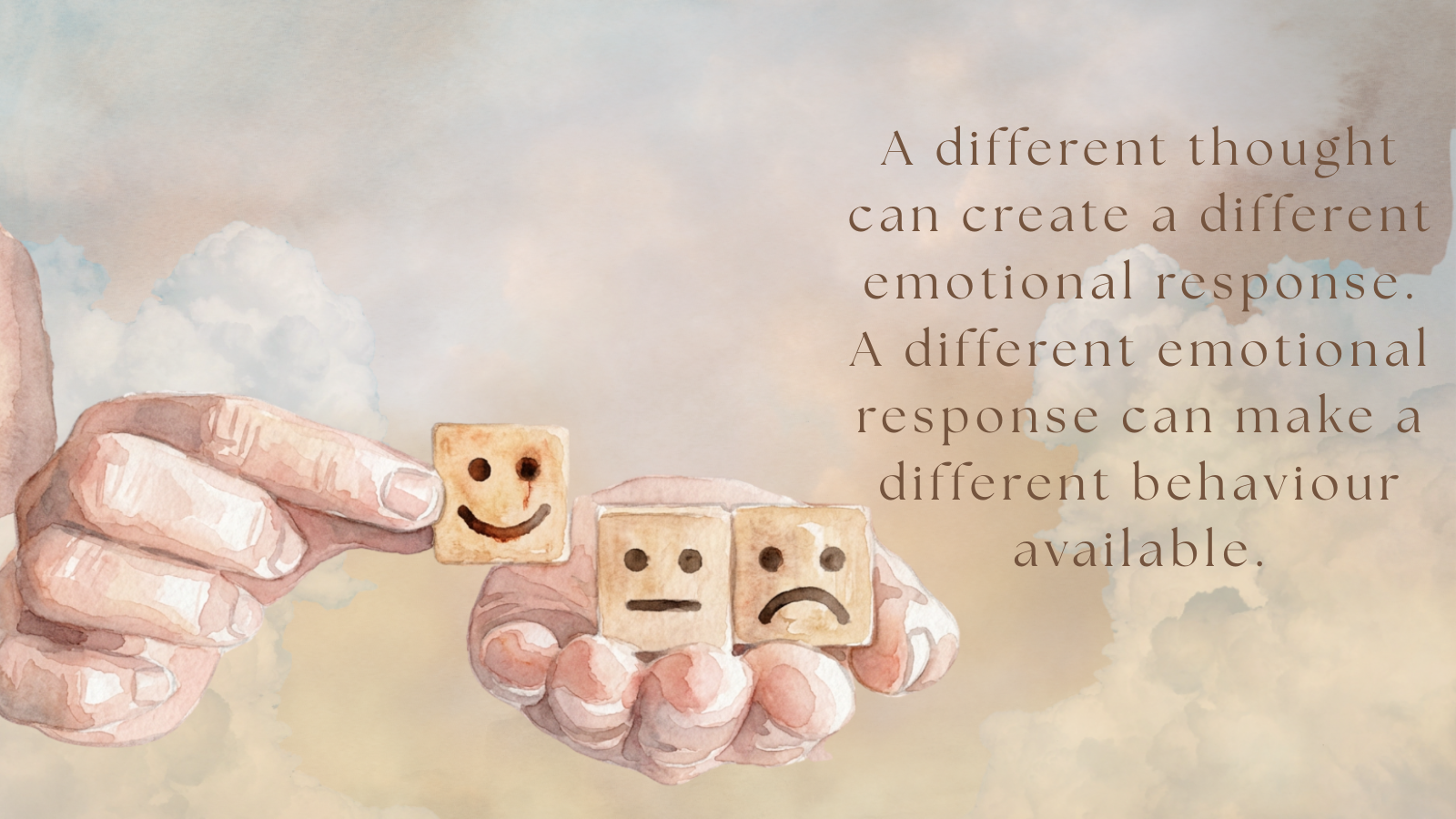
Different behaviour produces different experiences.
And those experiences give the mind new information.
Sophie went.
She enjoyed herself.
And now her brain had something new to work with:
“I said yes. I handled it. I enjoyed myself.”
The Power of Mental Rehearsal
There is another fascinating element here.
Our internal experience isn't irrelevant to the brain simply because nobody else can see it.
Research into self-affirmation has found activity in brain systems associated with self-related processing and valuation, particularly when people consider personally meaningful, future-oriented information.
Research into hypnosis has also identified changes in activity and functional connectivity within brain networks involved in focused attention, self-monitoring and awareness during hypnotic states.
We should be careful not to turn fascinating neuroscience into exaggerated promises.
But the broader message is extraordinary enough without exaggerating it:
And this is one reason I find hypnotherapy so fascinating.
When someone is deeply relaxed and focused, we have an opportunity to introduce a different internal experience.
To imagine responding differently.
To rehearse confidence.
To experience calm.
To practise self-trust.
To begin making a new way of responding feel increasingly familiar.
Day 14: Someone Disagrees With Her
Two weeks into Sophie's experiment, someone disagreed with her.
Previously, she might have spent the afternoon replaying the conversation.
Was the person annoyed?
Had Sophie said something wrong?
Should she send another message explaining herself?
Instead, something surprisingly simple happened.
Sophie thought:

“They're allowed to think differently.”
And continued with her day.
Nothing dramatic happened.
There was no lightning bolt.
Nobody outside Sophie had changed.
The same workplace existed.
The same people existed.
The same responsibilities existed.
But the mind interpreting those circumstances was beginning to respond differently.
And that changes a great deal.
Then Came Day 21
By Day 21, Sophie hadn't become an entirely different human being.
She hadn't reached some magical neurological finish line.
She was still Sophie.
But she noticed something.
She hadn't been replaying conversations as much.
She'd spoken during a meeting without mentally rehearsing her sentence five times first.
She'd made a decision without asking three other people what they thought.
She'd walked into a room without immediately wondering how everyone else perceived her.
And one afternoon someone complimented her.
Usually Sophie would have responded with:
“Oh, it's nothing…”
or:
“Really? I wasn't sure…”
This time she smiled.
And said:
“Thank you.”
Then something occurred to her.
So, Does It Really Take 21 Days to Change Your Brain?
This is where I want to clear up a very popular idea.
Twenty-one days is not a scientifically established deadline for rewiring your brain or creating every new habit.
Research into real-world habit formation shows substantial variation between individuals and behaviours. One frequently referenced body of research on habit formation found that automaticity typically developed over much longer and highly variable periods—not according to one universal 21-day rule.
So why do I still love 21 days of repetition?
Because it gives us a meaningful period of consistent practice.
You aren't waiting for Day 21 to suddenly become a new person.
You're practising something on Day 1.
Again on Day 2.
Again on Day 3.
You are repeatedly directing attention towards the thoughts, responses and identity you want to strengthen.
And perhaps most importantly, you're beginning to notice opportunities in everyday life to act from that new identity.
That is where the real transformation can become visible.
What Are You Rehearsing Every Day?
This is the question I would love you to sit with.
Because repetition works both ways.
What sentences do you say about yourself without even thinking?
I'm terrible at making decisions.
I'm always anxious.
I have no confidence.
I'm an overthinker.
I've always been like this.
I just can't speak in front of people.
How often have you repeated those sentences?
Hundreds of times?
Thousands?
Perhaps the first question isn't:
“Why am I like this?”
Maybe it's:
“How long have I been rehearsing this version of myself?”
And then:
“What would I rather begin rehearsing?”
You Are Not Just Your Familiar Patterns
This is what I find so liberating about understanding the mind.
Understanding is power.
When we begin to understand that the brain is responsive, adaptable and shaped by experience, we can become far more intentional about what we practise.
You may have learned to doubt yourself.
You can practise self-trust.
You may have become exceptionally skilled at anticipating everything that could happen.
You can practise being present.
You may have spent years looking outward for reassurance.
You can practise turning inward and asking:
What do I think?
You may have repeatedly imagined yourself struggling.
You can begin imagining yourself responding with confidence, calm and clarity.
Not once.
Repeatedly.
Because the aim isn't to pretend to be someone else.
It is to stop automatically assuming that the version of you created by years of familiar thinking is the only version available.
What If Changing Your Life Begins Here?
Sometimes we believe our circumstances need to change before we can feel different.
A different job.
A different relationship.
More confidence.
More approval.
Less responsibility.
Then we'll finally become the person we want to be.
But what if we reverse that?
What if change begins with the mind that meets your circumstances?
Because when you begin relating to yourself differently, something fascinating can happen.
You communicate differently.
You make different decisions.
You create different boundaries.
You notice opportunities you previously dismissed.
You allow yourself to be seen.
You recover more quickly from everyday challenges.
You stop asking permission for things you already know.
And gradually, those small changes begin producing a different experience of your life.
Perhaps we don't need to become someone entirely new.
Perhaps we need to become deeply familiar with the person we always had the capacity to be.
Ready to Change the Conversation in Your Mind?
If you recognise yourself somewhere in Sophie's story—perhaps in the overthinking, self-doubt, constant analysing or the feeling that you know you're capable but can't always seem to feel it—this is exactly the kind of work we can explore through RTT® and hypnotherapy.
I work with clients in Wollongong and online via Zoom, using hypnotherapy and personalised recordings to help create new ways of thinking, responding and relating to yourself.
Because changing your life doesn't always start with doing more.
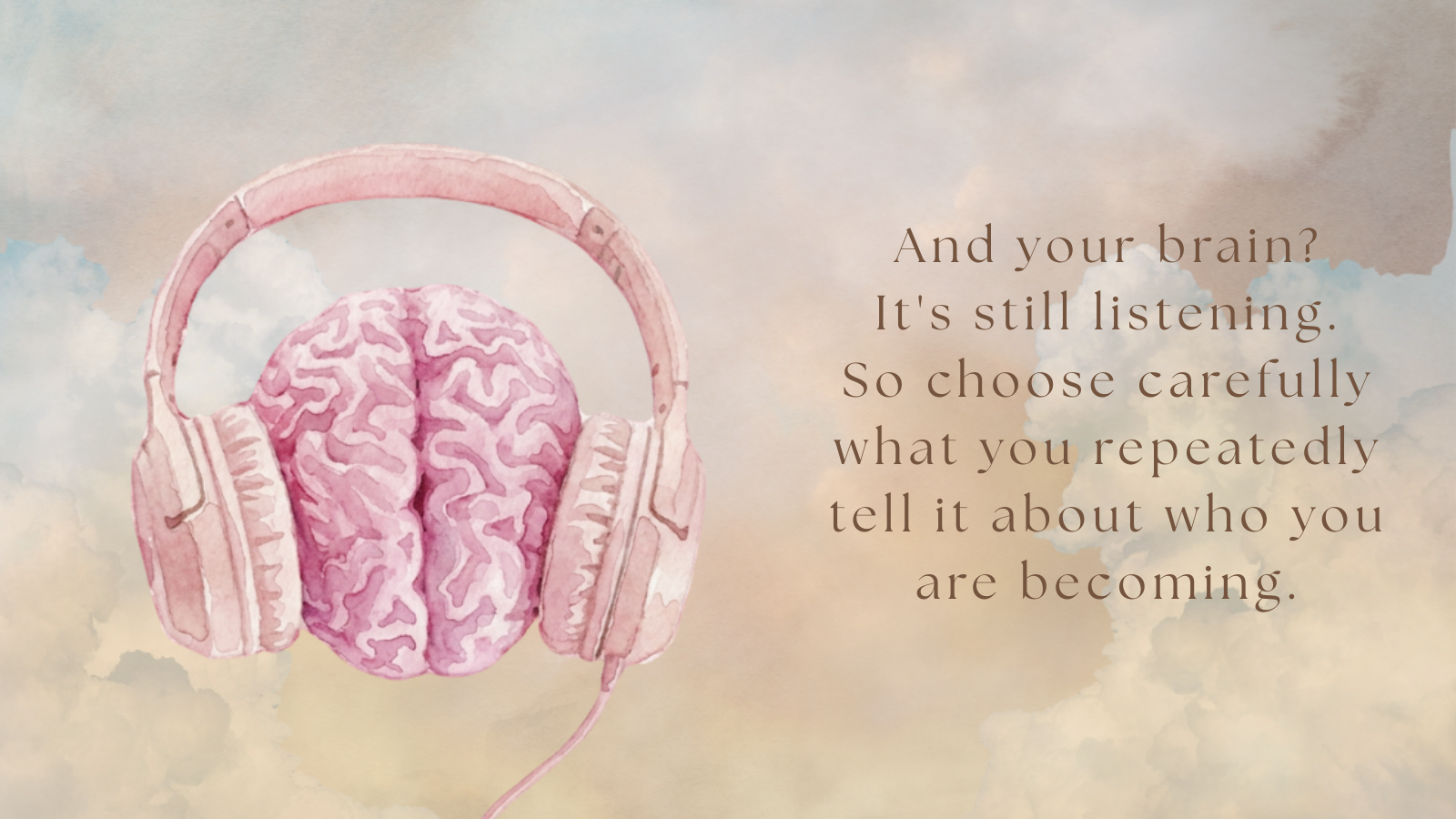
Sometimes it begins by changing the conversation you are having with yourself every single day.
Explore RTT® and hypnotherapy sessions with Jaqueline Burgess Alchemy.
Note: Sophie is a fictional character created to illustrate concepts discussed in this article. Her story is not presented as an individual clinical outcome. Hypnotherapy experiences and outcomes vary between individuals.